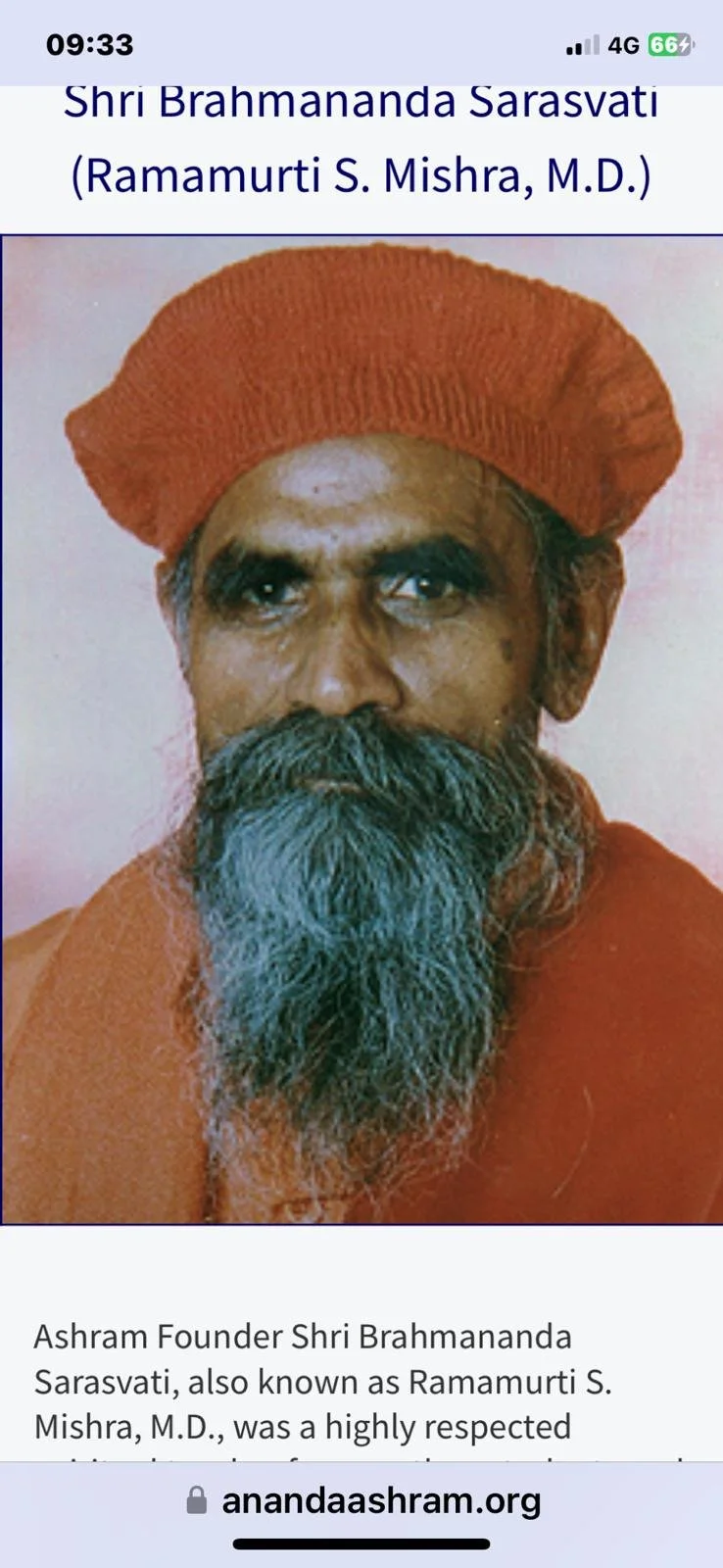
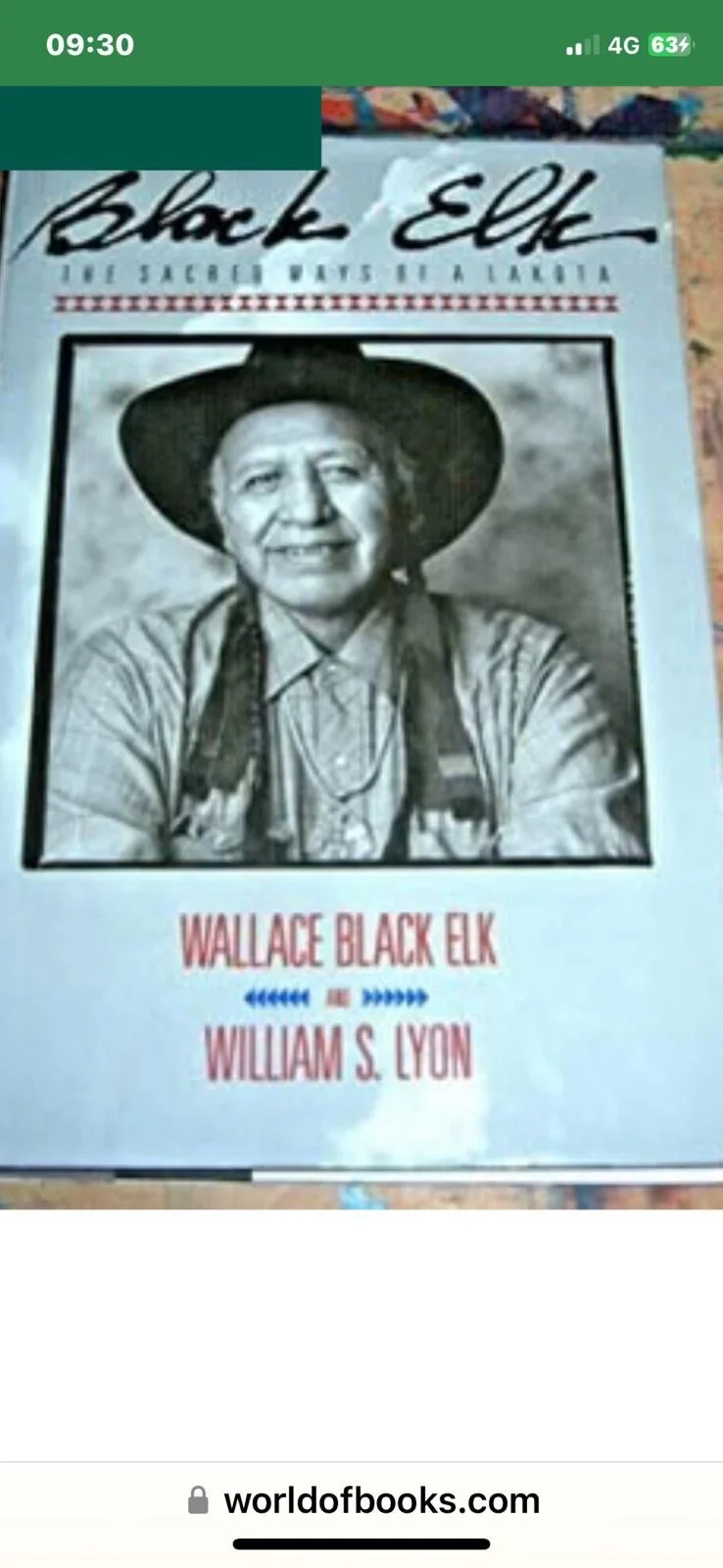
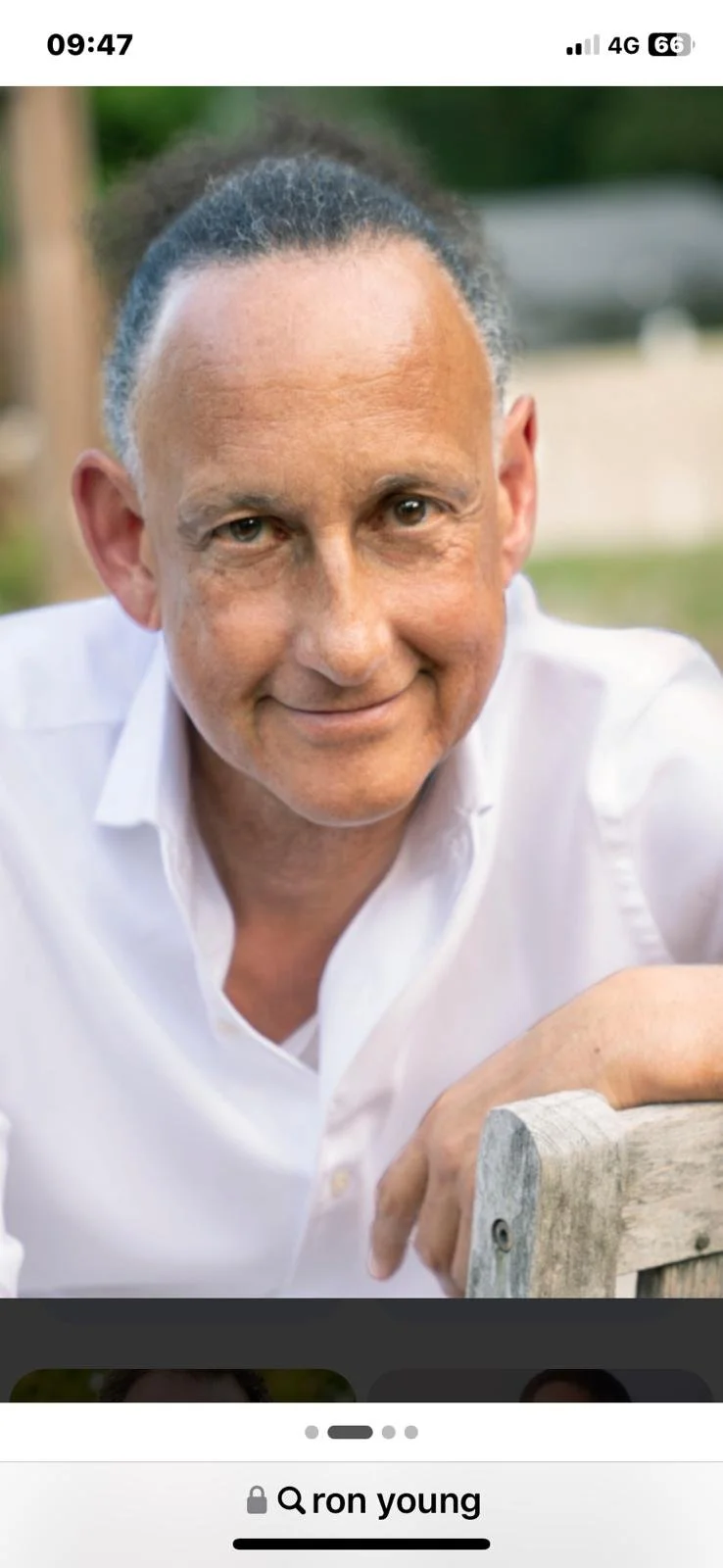
She has worked closely for many years with three great Masters from different spiritual traditions: Dr. Mishra (see The Textbook of Yoga Psychology), Ron Young (Healing Wisdom), and Wallace Black Elk, grandson of Black Elk.
Since 2003, Paola Igliori has returned to Italy, continuing to film the traditional Tammurriate, Pizziche, and Tarante — returning to her roots while deepening research into ecstatic music she had begun in Morocco in 1990, after being introduced by Paul Bowles to various brotherhoods (Sufi and others) of ecstatic dance and healing trance:
the Jillala, who induce trance through flute music; the Joujouka, indigenous Berbers (recorded by Rolling Stones guitarist Brian Jones in the 1970s), who use archaic wind instruments including the Pan flute, whose sounds and goatskin costumes echo those of Sardinia’s Mammutones; and the Gnawa, originally from Nigeria via Mali, who induce trance with three-stringed Gimbri instruments and castanets-like Karkabou (also known as the Wings of Isis in ancient Egypt), their music connected to Primary Colours — White, for instance, containing all colours, has at least 40 different rhythms to induce trance. Each person enters trance when their own vibration and colour is played; at that moment, one’s Archetypal Spirit enters with great power.
Large drums then bring people out of trance. The Gnawa — once enslaved and brought to Morocco through Mali — became so revered by the Kings of Morocco that the royal courts would summon only them, for their gift of healing through music.
In this way, Paola Igliori closes a circle that began in her childhood, when her nanny would take her to the Tammurriate of the Madonna del Divino Amore.
Life has led her to deepening this, evoking the serpent of ecstatic music from the beginning of time, winding its way from Africa, through Persia, into our Mediterranean world.
It is worth noting that instruments still used in the Tammurriate today — the Poti Putu, the Scetavajasse, the Triccheballacche — are already depicted in the frescoes of Pompeii, and that in the famous Tarantolate of the Pizzica, music also worked with colour.
In Italy, Paola Igliori continues her inquiry into the boundary between the visible and the invisible, the mirroring of Microcosm and Macrocosm, and the alchemy of the everyday.
At Villa Lina, within its 18th-century Botanical Garden, she continues her exploration of the secret language of Nature, commissioning researcher Marco Nieri — creator of an innovative “plant therapy” path (see his book Bioenergetic Landscape) — to measure the amplified electromagnetic fields produced by the beneficial emanations of ancient trees, volcanic rocks, and abundant water sources in the garden, and their interactions with the human organism (lymphatic, nervous system), bringing them into harmony and balance.
In 2024, she commissioned Garden Designer and Botanical Experimenter Emilia Scarpone to create the Garden of the Senses and Myths: five sectors dedicated to archetypes — from Apollo and Artemis to Athena — weaving Myth, Botany (of plants sacred to the Gods), and Rite as part of everyday life, heralded by the powerful work of the extraordinary artist Alessandro Twombly.
Alessandro Twombly has rooted his studio in this Bioenergetic Garden — a garden that has long been a creative crossroads, with connections spanning generations: from D’Annunzio, Trilussa, and Donghi to Alighiero Boetti, Mario Merz, Sandro Chia, and Jean-Michel Basquiat.
Her collaboration with Emilia Scarpone began in 2015 with an experimental programme of floral essence extraction, leading to the co-founding of La Casa delle Erbe at Villa Lina, and the creation of My Flower beauty — a natural, energised cosmetic line.
Paola Igliori continues — through her research at the crossroads of art, the roots of creativity, and the cosmology of nature — the legacy of her maternal ancestors Lante Montefeltro and Della Rovere (Federico da Montefeltro, Sixtus IV, and Julius II della Rovere), who helped shape the Renaissance ethic of curiosity and interconnection.
Upon her return to Villa Lina from New York, she collaborated extensively with the Open Center of New York and other significant holistic, multidisciplinary, and multicultural organisations.
She is currently working with Angela Schmel on practices of connection to Ancestral Essence.
Paola Igliori has developed her personal work by exploring the power of Connection to Nature with Intention, across the different moments of power in the Cycle of the Seasons — through ritual, natural magic, and living connection with plant and animal allies.
Her work moves ceaselessly between the roots of Tradition and the living thread of Innovation.